ASAE Annual Meeting & Expo, Indianapolis
The best training in your industry should come from your association.
We turn your expertise into eLearning that your members can’t get anywhere else.
Win prizes: enter with your Education Score, or at Booth 458, August 15–18
Industry research shows over 60% of associations have no formal eLearning strategy.
Without one, courses get built when time allows, backlogs grow quietly, and education stays a cost line instead of a revenue line.
Four ways to get more from your education program
Every association education program has room in at least one of these four areas. Get your Education Score that will show you which one to focus on first.
Developing
An example score. Yours takes two minutes.
How does your education program score?
Ten questions, two minutes, and nothing to look up. You get a score for each of the four areas above, the one gap worth closing first, and a full report by email. Yours to act on whether you ever talk to us.
Completing the score also enters you in our prize draw. Details at Booth 458.
Get Your Education Score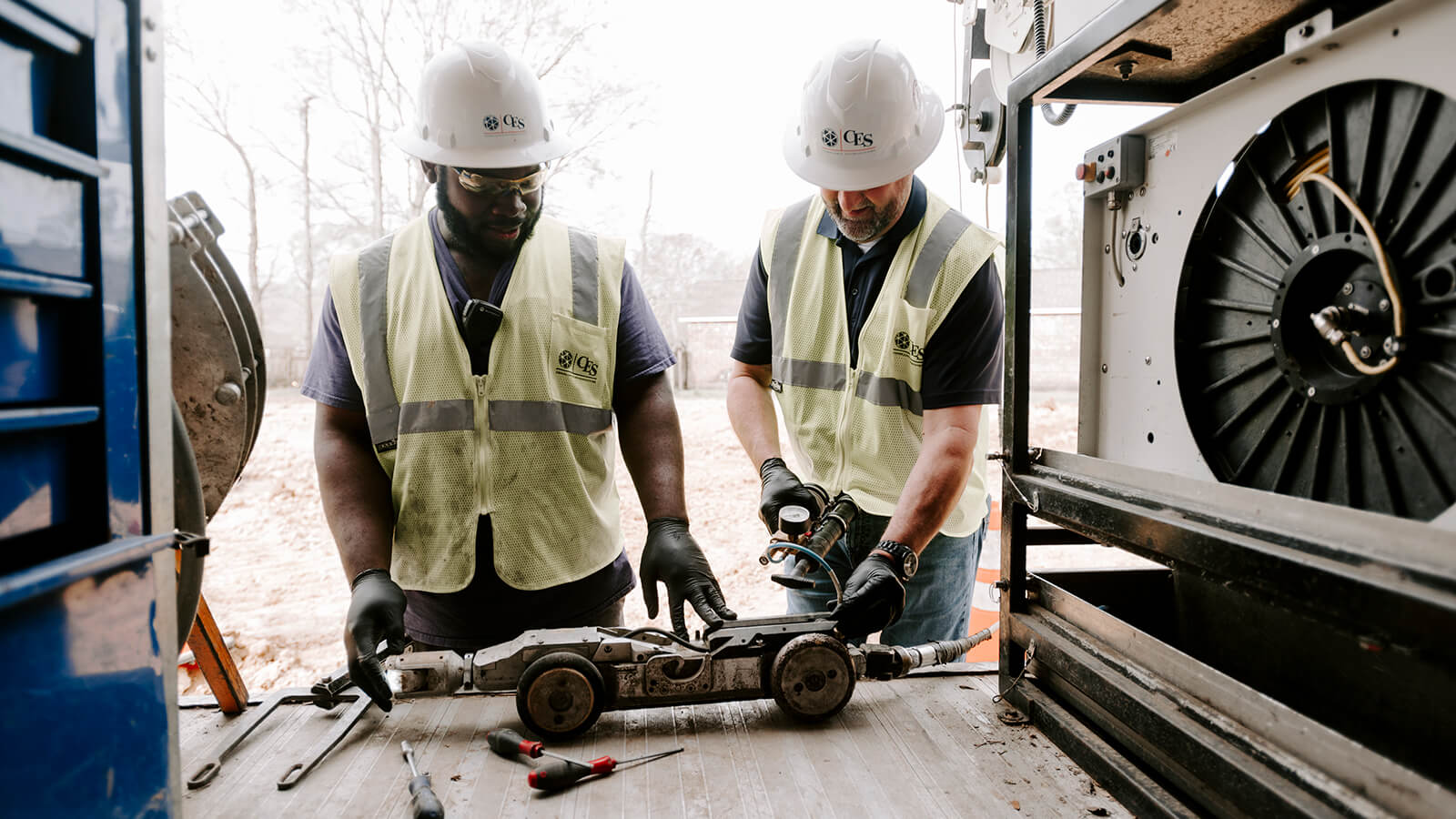

More professionals due to recertify than capacity to train them.
NASSCO sets the standards for the underground infrastructure industry. More than 20,000 certified professionals rely on its programs, and recertification demand outgrew live training, so NASSCO rebuilt the program as self-paced eLearning.

“This course is life-changing for our industry!”
 Laurie Perkins, P.E.
Training Director, NASSCO
Coach education, turned into a revenue engine.
Canada Soccer needed to train thousands of coaches nationwide without consuming more of anyone’s time. The answer was a blended program: eLearning for the foundations, with in-person time reserved for what needs a room.

“We were able to cut training time in half.”
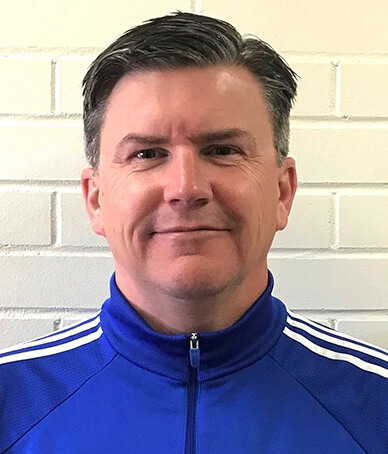 Jim Loughlin
Manager of Coach Education, Canada Soccer
What could your education program look like?
See how we helped other clients achieve outcomes that benefit their organization.
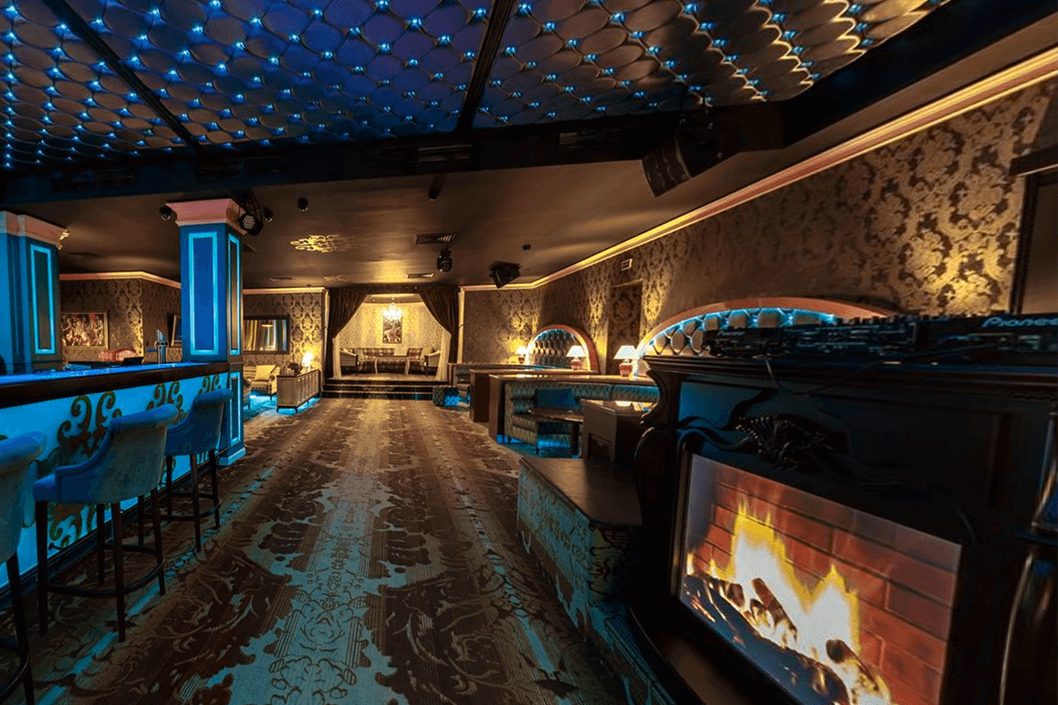
A province-wide certification, built from scratch
3D environments and interactive scenarios, for the tens of thousands of workers who take it.
Read LGCA’s storyA course every member could complete
Built and tested with feedback from 60 individuals with disabilities.
Read the U of M story




The demand is already there
Your members are asking for this.
of association professionals plan to develop and improve continuing education and professional development programs. Nearly everyone is planning to build more. Capacity is what decides who actually does.
(Momentive Software research)
of U.S. adults live with a disability. Accessible eLearning isn’t a niche requirement; it’s a quarter of your membership.
(CDC)
of associations run webinars. Far fewer turn them into courses members can take anytime. Those recordings are raw material you already own.
(Industry research)
Professional development, credentialing, and learning top the list of reasons members join an association.
(Higher Logic member research, 2025)
Articles that answer questions you’re already asking. Read for free.
Written for association education teams. Useful whether you ever hire us.
Browse the library



Answers to your questions about building eLearning
Custom courses run from about $2,000 to $50,000 USD. What sets the number:
- How organized your source content already is
- How deeply learners need to understand it, from awareness through to job-ready competence
- How much instructional design it takes to turn raw expertise into training
- How far the interactivity and custom media need to go
Content that is ready to go and needs a clean, professional build lands near the bottom, and can often be built through our Express service at a fixed $2,000 per course. Material that calls for scenarios, simulations, video production, animation, or 3D scene creation sits higher up.
Your budget buys production capacity, not a locked scope. If an animation turns into an interactive activity, or the slide count grows as the content firms up, the new plan comes out of the same budget. No change orders, no penalty for changing your mind.
Probably, and we will tell you if not. One finished course is a real project, and a small first build is how most of our long relationships started. If what you are describing needs more than the budget allows, we will say so and show you what does fit.
The math behind non-dues revenueThe people you meet. Instructional designers, eLearning developers, video producers, graphic designers, and quality assurance analysts all work in-house at Neovation. Nothing is subcontracted or sent offshore. You get the whole team the day a project lands, which is what moves a project from planned to launched.
See the team’s workAn Express course is finished in ten business days. A custom course usually runs six to twenty weeks from kickoff to launch, and multi-course programs run longer. The same things that set the cost set the timeline: how ready your content is, how deeply learners need to understand it, and how much design and media the material calls for. We build the schedule backward from the date you need it.
Less than most people expect. Plan on two or three sessions with your subject matter experts, 60 to 90 minutes each, plus review time at the storyboard and build stages. For a single course that usually totals 10 to 20 hours spread across the project. We do the building; your experts supply what only they know.
That is the normal starting point, not the exception. Association expertise usually lives across your subject matter experts, conference recordings, slide decks, and other documents. We analyze your existing materials and run structured sessions with your experts, then use that information to build the courses.
How knowledge capture worksYou do, including the source files. We hand everything over once the work is finished, so your team can make updates internally or take the course wherever you need it. We are also happy to handle updates and maintenance whenever you would rather we did.
Included. Every course we build ships to WCAG 2.1 AA: contrast, captions, transcripts, keyboard navigation, screen reader support. The review log comes with the delivery so you can show your work. It is built into how we work, not quoted separately.
Not directly today. The 2024 Department of Justice rule sets WCAG 2.1 AA for state and local government under ADA Title II, and most associations fall under Title III, where no equivalent web rule exists yet. Expect that to change. Courts already apply the ADA to websites, and public-sector members and government buyers are carrying the 2.1 AA standard into their purchasing now. Building to the standard as you go costs far less than remediating a catalog later, and accessible courses are easier for every member to finish.
Why accessibility is a growth decisionYes. Fixing a finished course costs more than building accessibility in from the start, which is useful to know when you are sequencing the work. Most associations get the best return by remediating their most-enrolled titles first, since reach concentrates in a small share of most catalogs, then building everything new accessible from the first storyboard.
Yes, and that is the most common reason associations call us. You do not have to hand over the whole list either. Pick the one course you most want finished, and we bring the full team to it: instructional design, development, media, and quality assurance. The backlog moves without you hiring for it.
Often, yes, and it is usually cheaper than starting over. We start by looking at what you have and working out how much of it carries forward. Sometimes most of it does, and sometimes a fresh start gets you there faster. We will tell you which.
That is normally where we start. Conference recordings, slide decks, a policy manual, the expertise sitting with two people who have been there twenty years. All of it is raw material. We turn what you already own into courses rather than asking you to produce something new first.
How knowledge capture worksThey already do, for the right course. Members pay when a course leads somewhere they need to go: a credential, a licence renewal, a skill their job requires this year. What they pay for is the destination, not the content itself.
Why members pay for some coursesYes, and it is usually the better lever. A higher non-member price earns revenue and recruits at the same time: the course is worth the difference, and joining becomes the cheaper way to take it. Canada Soccer grew education revenue 733% on a program built this way.
That library is the cheapest content you will ever build a paid course from, because the thinking is already done. Turning a recording into a course means adding structure, assessment, and a reason to finish. That conversion is one of the most common projects we run for associations.
Turning sessions into coursesWe’re here to help your association’s education program succeed.

Josh Flower
Senior Sales Director
Josh has spent 25 years helping associations turn what their experts know into training members will pay for. He is the one to ask what a program like yours would take to build, and whether we are the right team to do it.

Brayden Anderson
Senior Sales Director
Brayden works with association education teams every week. Bring him a backlog, a stalled course, or a program you have been meaning to rebuild, and he will tell you where he would start.
Want to book a meeting with us?
Tell us what you’re working on and we’ll come back with a straight read on whether we can help, at the show or after it. No pitch deck, no pressure.