Most training presents information and hopes learners apply it later. Scenario-based learning flips that model — it drops learners into a situation first, asks them to make a decision, and shows them what happens next. The learning comes from navigating the situation, not from reading about it.
Learners face a realistic situation and choose how to respond. Each choice leads to a different path — and a different outcome. There’s no single “next” button. The learner’s judgment drives the experience.
Instead of “correct” or “incorrect,” learners see the natural result of their decision. A poorly handled customer escalation gets worse. A skipped safety step triggers an incident. The feedback is built into the story, not bolted on after.
Real decisions don’t happen in isolation. Scenario-based learning chains decisions together, where the outcome of one choice shapes the context of the next. This mirrors how judgment actually works on the job.
Learners step into a specific role — supervisor, technician, frontline worker, new hire — and face the decisions that role actually encounters. The scenarios feel relevant because they’re built around real responsibilities.
Characters, settings, and language are drawn from the learner’s actual workplace. This isn’t abstract — it’s recognizable. The closer the scenario feels to real life, the more transferable the learning becomes.
After navigating a scenario, learners see a breakdown of what happened, why it matters, and what the better path looked like. This is where the learning crystallizes — connecting the experience back to the underlying principle.
Tell us what you’re building. We’ll show you how scenario-based learning can develop better decision-making — and give you an honest estimate of what it takes.
Knowing the policy isn’t the same as applying it under pressure. Scenarios give learners repeated practice making judgment calls in realistic conditions — so the first time they face the situation for real isn’t the first time they’ve thought it through.
Compliance and safety training often focuses on the rules. Scenario-based learning focuses on what happens when you miss the signs. Learners practice identifying risk in context, not just reciting it from a checklist.
Patient safety. Workplace incidents. Regulatory violations. Customer harm. When the real-world cost of poor judgment is high, scenario-based learning lets people build that judgment without the real-world consequences.
New hires learn faster when they practice navigating real situations early. Scenarios accelerate the transition from “I read the policy” to “I know what to do when it gets complicated.”
De-escalation, coaching, giving feedback, and navigating conflict. These skills can’t be built through slides. Branching dialogue scenarios let learners practice the conversation — and see how different approaches play out.
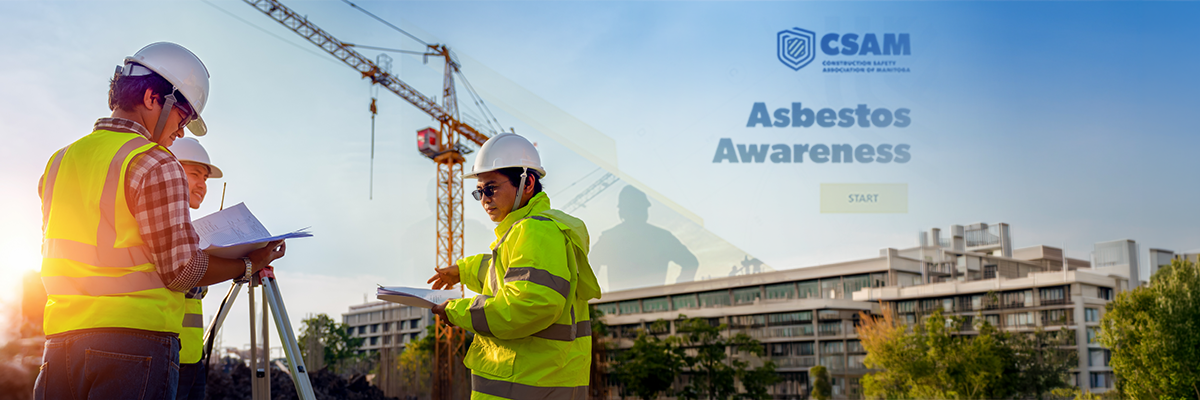

Converted in-person asbestos awareness training into scenario-driven eLearning — putting learners in realistic jobsite situations where they identify hazards and make safety decisions before stepping onto a real worksite. Scaled province-wide across multiple industries.


Scenario-based compliance and safety training for airline operations — giving crew members practice navigating high-stakes situations where the right call matters and hesitation isn’t an option.

Province-wide certification with branching scenarios that put learners in realistic service situations — practicing responsible beverage service decisions with consequences built into every choice.
Tell us what you’re working on. We’ll give you an honest read on what it takes — and where to start.


